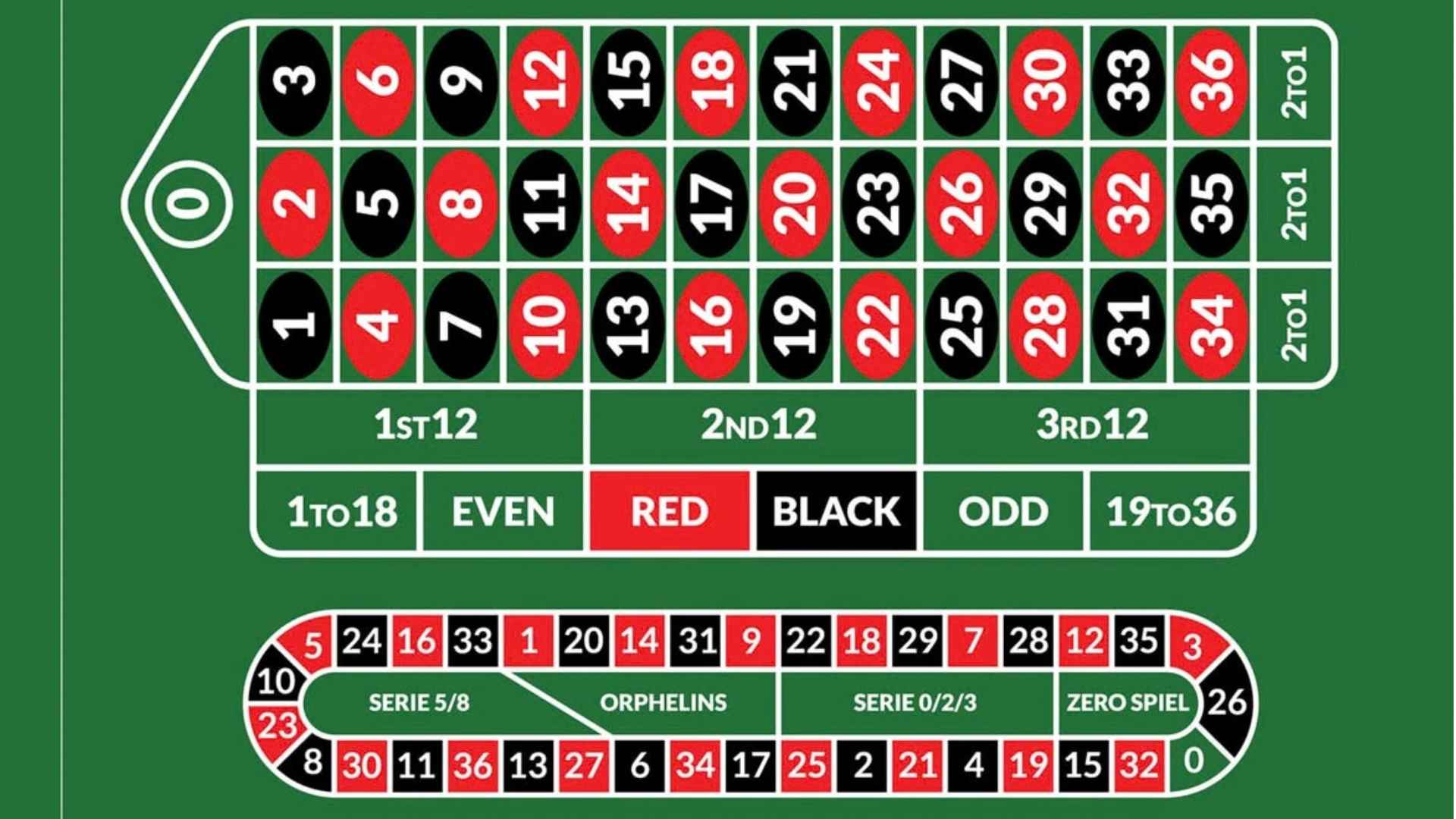
Digital randomization systems have shifted from simple choice utilities into elaborate frameworks designed to map out engaging behavioral paths. Modern developers are leveraging these dynamic interfaces to help users navigate complex training modules, corporate decision-making structures, and online educational journeys. By establishing a structured framework around unpredictable outcomes, creators can build a pathway that sustains high engagement while offering clear operational value.
Designing the Tactical Workflow
Building a successful interactive path requires a deep understanding of user behavior and choice architecture. Instead of relying on a single isolated rotation, modern frameworks connect multiple randomized segments to create a continuous progression model. This specific approach ensures that every participant remains active, curious, and motivated to discover what the next strategic milestone holds.
To achieve sustainable results, coordinators must carefully calibrate the specific weights and options presented on the interface. Balancing high-value options with foundational tasks helps prevent user fatigue while keeping the overall experience competitive. When individuals feel that the system is structurally fair, they are far more likely to integrate it into their routine activities.
Enhancing Engagement Through Balanced Mechanics
The primary advantage of a structured interactive path is its unique ability to alleviate cognitive overload in high-pressure environments. When teams face severe analytical paralysis, introducing a randomized yet carefully designed trajectory can break the deadlock efficiently. It replaces prolonged arguments with an objective, automated process that groups can collectively trust and execute without hesitation.
Furthermore, integrating thematic visuals and specialized audio feedback significantly elevates the sensory experience of the participant. Many digital coordinators study established entertainment platforms to understand how professional software designs fluid motion and immersive user interfaces. For instance, analyzing how users engage with systems like the M88 Sport login portal offers excellent technical inspiration for building secure, high-traffic interactive tools.
Practical Applications Across Diverse Sectors
Educational institutions are rapidly adopting these gamified frameworks to maximize student participation during complex historical or scientific lessons. By mapping out a lesson plan across a colorful digital selector, instructors transform traditional lectures into dynamic group milestones. Students become active stakeholders in their own learning journey, eagerly anticipating the next topic chosen by the system.
In the corporate landscape, human resource managers deploy these interactive paths to streamline training workshops and team-building events. Allocating specialized tasks or modern professional challenges through an automated system ensures a transparent distribution of responsibilities. This method minimizes perceived bias, sparks spontaneous collaboration, and fosters a healthy operational atmosphere among remote employees.
Optimizing the Pathway for Future Growth
As digital ecosystems continue to evolve, maintaining the relevance of your interactive selector requires consistent updates and data analysis. Creators should regularly evaluate selection history to ensure the underlying algorithms remain truly randomized and unbiased over long periods. Introducing fresh variables, updating visual templates, and incorporating user feedback will prevent the strategy from becoming static or repetitive.
Finally, ensuring absolute mobile compatibility and seamless sharing options is vital for expanding the reach of your digital asset. Allowing participants to access the interactive workflow from any handheld device maximizes daily retention rates across diverse global networks. By focusing on accessibility and structural reliability, your strategic pathway will deliver exceptional value to users worldwide.