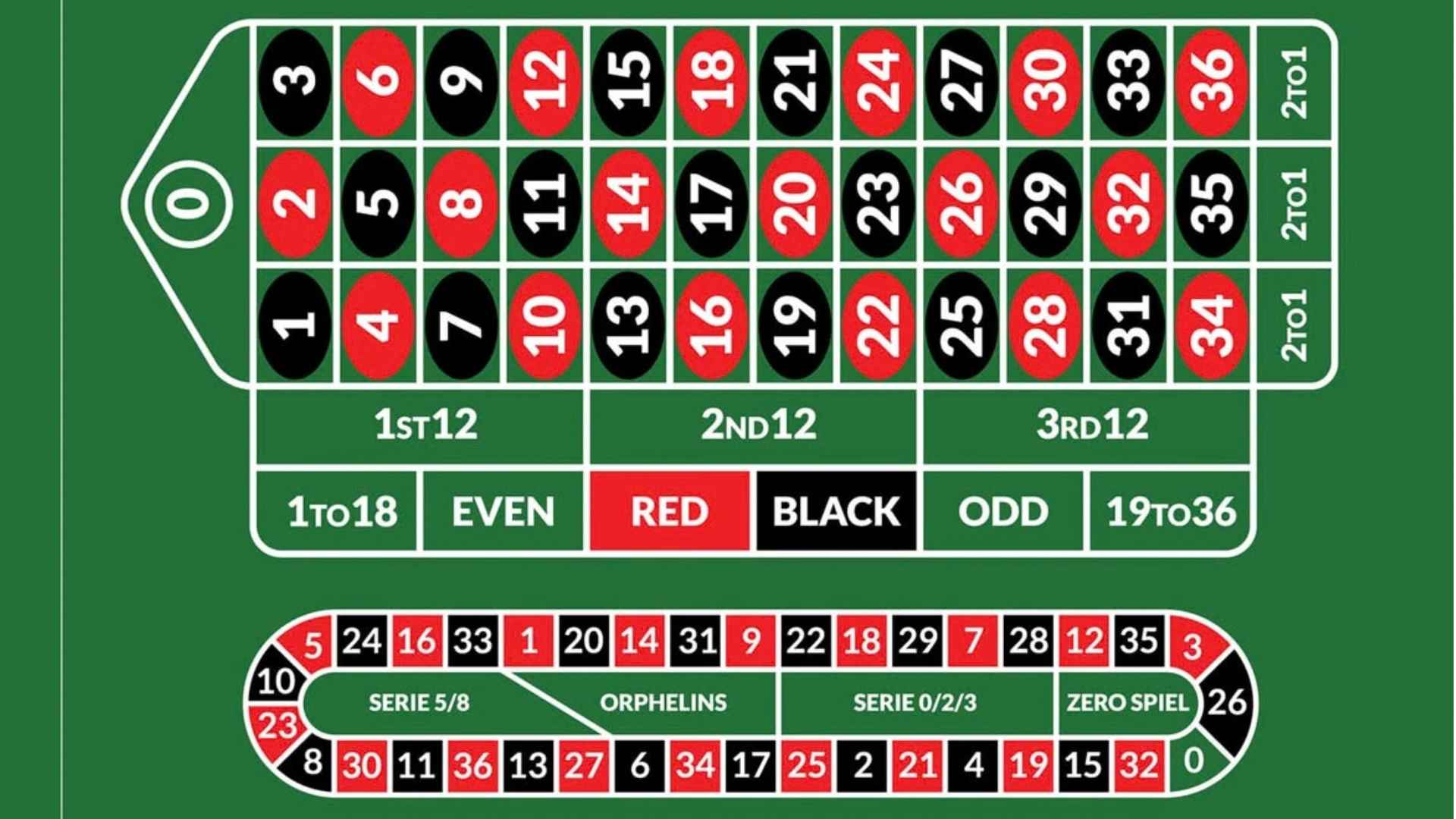
The human brain thrives on structured puzzles that demand tactical evaluation and precise calculations. Number games have shifted from being mere traditional pastimes into complex competitive fields that thoroughly evaluate an individual's mental faculties. Engaging with these structural challenges offers an excellent mechanism to sharpen critical thinking, memory retention, and spatial deduction skills.
The Core Mechanics of Logical Problem Solving
Solving complex numerical matrices requires players to abandon random guessing in favor of rigorous mathematical tracking. Every single decision within a logic grid alters the potential outcomes of subsequent steps, forcing players to anticipate multiple moves ahead. This constant mental balancing act trains the mind to evaluate complex risk factors systematically before committing to a final option.
As individuals practice regularly, they inherently build stronger cognitive models that facilitate faster quantitative analysis. Many interactive systems provide an excellent environment where users can test their tactical patience against progressive difficulty curves. Utilizing a secure login situs m88 allows participants to explore diversas options that focus heavily on quantitative problem solving and analytical development.
Enhancing Strategic Thinking through Pattern Recognition
Advanced numerical challenges are rarely about simple calculation, relying instead on structural pattern recognition to uncover hidden relationships. Masterful solvers train their vision to notice sequence intervals, symmetry, and overlapping restrictions rather than seeing isolated digits. Spotting these subtle correlations early allows a player to safely eliminate invalid branches of possibilities with extreme precision.
This refined ability to look past surface chaos and find underlying order translates directly into practical real-world problem-solving capabilities. Individuals who learn to manage complex game parameters can easily apply the same methodical patience to scientific data tracking or corporate project management. The transition from chaotic guessing to organized elimination marks a major evolutionary step in cognitive maturity.
Long Term Benefits of Quantitative Brain Workouts
Consistent interaction with numerical logic systems provides significant health advantages that protect human intellectual capabilities over time. Clinical research demonstrates that target-driven mental exercises stimulate the prefrontal cortex, enhancing information processing speeds and working memory retention. Keeping the mind active with strict rule-based puzzles serves as a valuable shield against premature cognitive decline.
Beyond scientific perks, resolving an intricate numerical problem delivers a genuine sense of accomplishment that alleviates everyday anxiety. Spending just a few minutes daily analyzing logical structures creates a satisfying balance between intellectual labor and passive relaxation. The lifelong process of mastering numerical puzzles remains deeply fulfilling for thinkers seeking to elevate their cognitive limits.