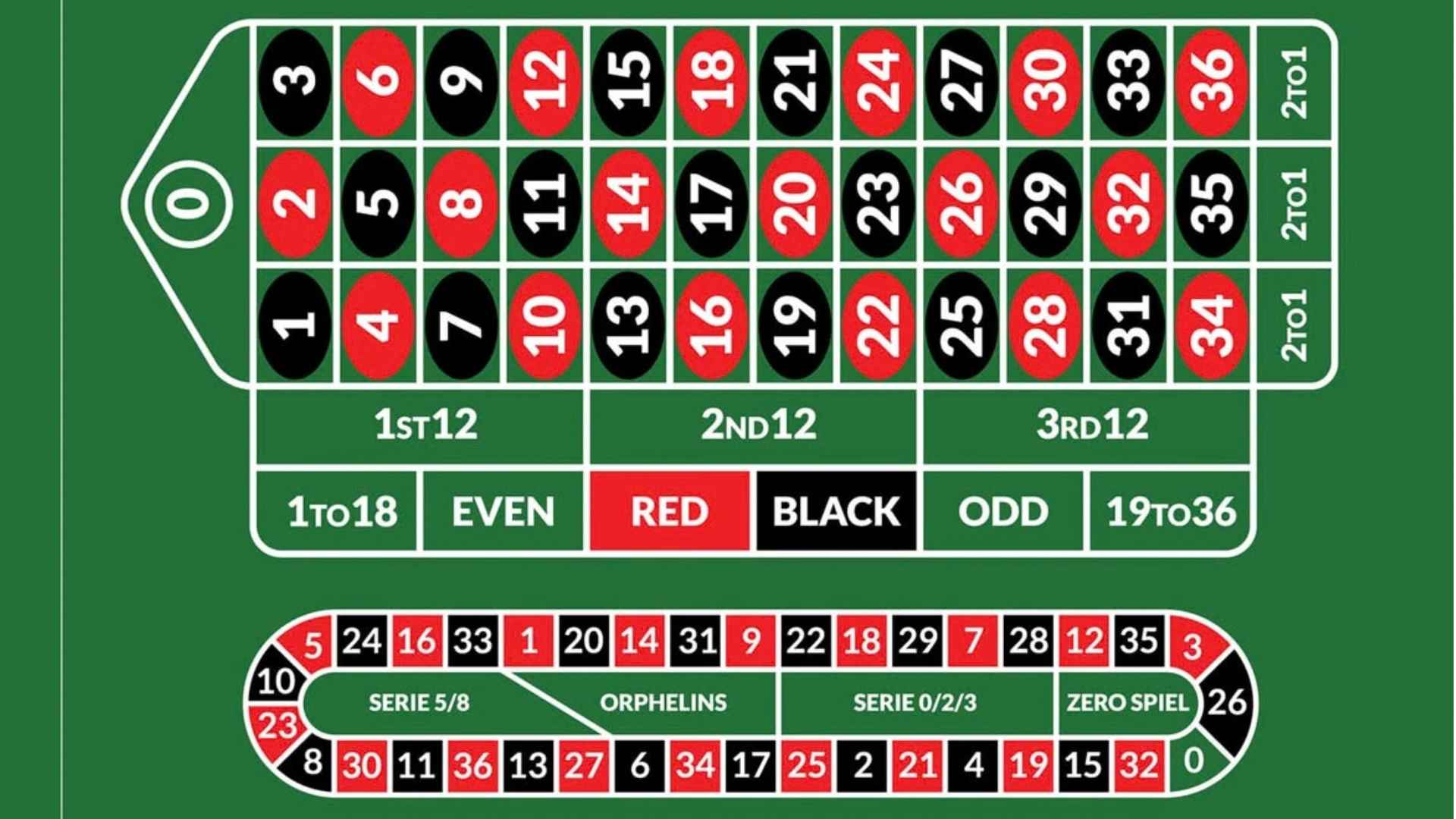
Human beings naturally seek meaning in everyday events, often weaving narrative threads out of simple coincidences. When a rotating wheel decides a choice, the visual journey creates a unique sense of dramatic progression. This transformation turns a basic mathematical probability into an engaging personal narrative that feels tailored to the individual.
The Psychology of Visual Narrative
As a spinner rotates, the viewer experiences a structured sequence of anticipation, tension, and eventual resolution. This motion mirrors classic storytelling arcs, where the slowing wheel builds suspense before revealing the final outcome. Because the brain follows this movement step by step, the final result feels earned rather than arbitrary.
This cognitive tendency to project narrative onto visual motion helps explain why randomized tools are so captivating. Instead of seeing a cold statistical outcome, participants feel as though a meaningful moment has just unfolded. The journey of the pointer becomes a small story where the viewer is the central character.
Creating Personal Emotional Investment
When individuals participate in a spin, they naturally attach personal expectations and hope to specific segments. The tension between where the wheel might stop and where one wishes it to land generates genuine emotional investment. This dynamic transforms a routine selection into a memorable personal experience.
Digital platforms and gaming environments, such as m88 casino, often utilize visual mechanics to heighten user engagement through immediate, transparent outcomes. By turning chance into an interactive visual event, users feel directly connected to the ongoing action. This subtle psychological shift makes every result feel like an intentional chapter in a larger activity.
Why We Remember Random Events
Random choices made through static means, like a coin flip or a hidden draw, are frequently forgotten almost instantly. In contrast, the gradual visual reveal of a wheel leaves a lasting impression on human memory. The visual cues allow the brain to store the event as a complete scene rather than a isolated data point.
When a close decision occurs on a wheel, participants often recount the story to others with vivid detail. They describe how the pointer barely scraped past one option to land on another, reinforcing the narrative quality of the event. These shared accounts turn mechanical randomness into rich social anecdotes.
Embracing Unpredictability in Modern Life
In a world where routines are heavily managed, surrendering control to a visual spinner introduces a refreshing element of spontaneous drama. The experience allows people to step outside their deliberate planning and enjoy the thrill of unscripted outcomes. This brief pause in control adds variety and flavor to routine decision-making processes.
Ultimately, a spinning wheel does far more than select an option from a predefined list. It converts pure mathematical variance into a captivating visual story that resonates with human curiosity. By giving randomness a visible path, it transforms simple chance into a personally meaningful event.